Future Space Technologies: Key NASA Solutions for a Permanent Moon Base
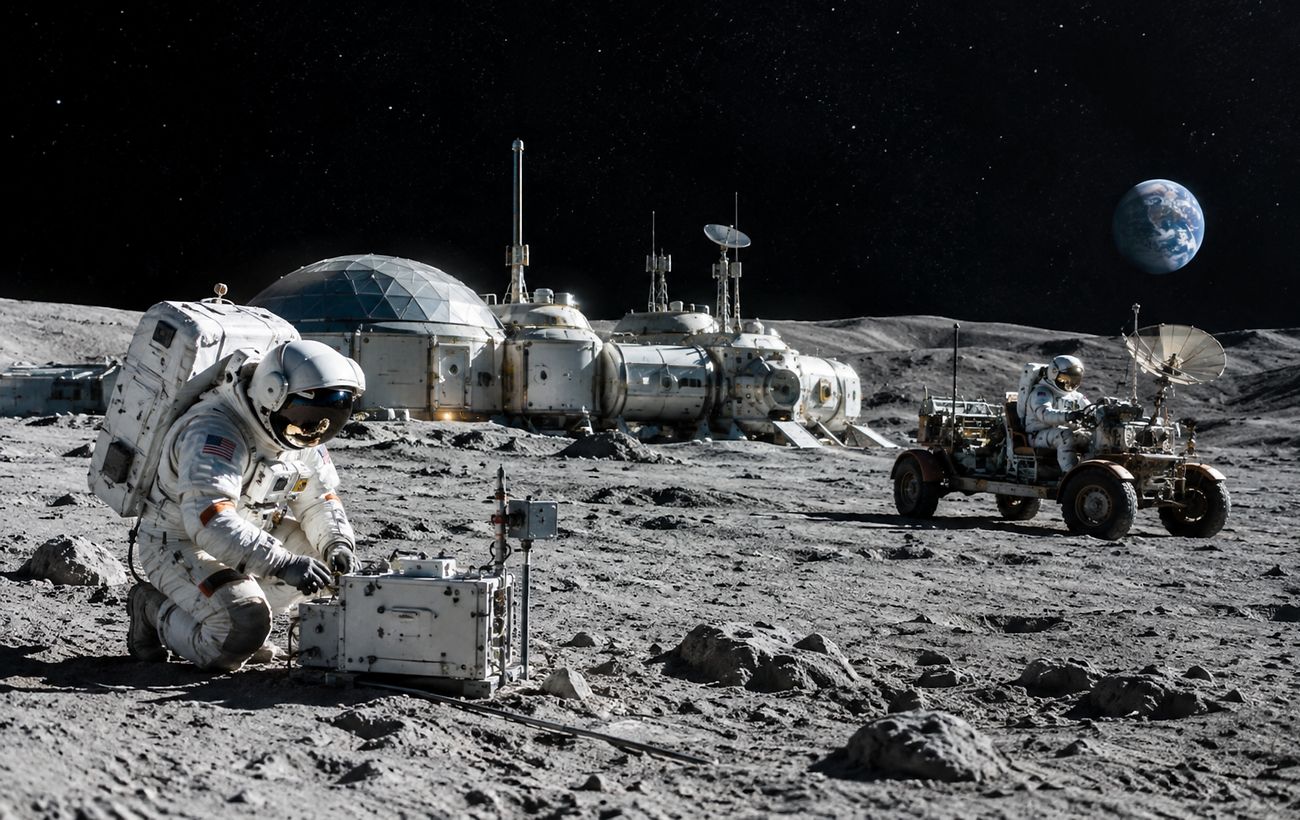
NASA and international scientists are actively developing critical technologies to ensure a sustainable human presence on the Moon, including nuclear reactors and water extraction systems.
 🧠AI Analysis
Photo: RBC-Ukraine
Key points
- NASA is developing critical technologies for lunar colonization
- Nuclear reactors aim to provide stable power for the base
- Using local resources will reduce reliance on Earth shipments
Establishing a permanent outpost on Earth's natural satellite requires solving a complex array of engineering challenges, ranging from constructing reliable habitats to securing a steady supply of power, water, and radiation protection for astronauts. NASA, alongside global researchers, is focusing on core innovations without which long-term human presence on the lunar surface would remain impossible.
Energy and Autonomous Resource Management
Traditional solar panels alone cannot guarantee stability due to the specifics of the lunar day and night, which last approximately two weeks each, while permanently shadowed craters receive almost no sunlight. Consequently, alternative power sources are being engineered, such as compact nuclear reactors and radioisotope generators, which will ensure uninterrupted electricity regardless of external conditions. Delivering the first such nuclear reactor is scheduled for the coming decade, marking a fundamental milestone for the entire mission.
Beyond power supply, utilizing local resources—known as the ISRU concept—is paramount. Since transporting supplies from Earth is prohibitively expensive, researchers plan to harvest water ice from shaded polar craters for drinking and for producing rocket fuel through the electrolysis of oxygen and hydrogen. Concurrently, advancements are underway for life support recycling systems, protective materials against abrasive lunar dust, and shielding barriers against deep space radiation.
Source RBC-Ukraine — rbc.ua/ukr/news/vid-dernogo-reaktora-5g-shcho-potribno-nasa-1794836… ↗
Read next
 🩺Health
British medics arrange unusual reunion with calves to boost critically ill farmer's recovery
Doctors in a British hospital arranged an emotional visit from his calves for a farmer who spent six weeks in intensive care.
 🎭Culture & Sport
Culinary tips for Shepetivka residents: how to thicken soup without flour
Simple and time-tested methods will help give soups and stews a creamy texture without using flour.
 🇺🇦Ukraine
Head of state names six candidates for the position of Ukrainian ambassador to the United States
Volodymyr Zelenskyy announced the discussion of six candidates for the diplomatic mission in Washington, including former ministers and diplomats.
 👥Society
NABU Criticism: Temporary Inquiry Commission Head Blames Semen Kryvonos for Undermining Trust
Head of the Verkhovna Rada's Temporary Inquiry Commission Oleksiy Honcharenko criticized NABU Director Semicn Kryvonos for skipping meetings and avoiding past scandals.
 👥Society
The Role of Media and Free Speech: From the Revolution of Dignity to Modern Challenges
Thirteen years have passed since the events of the Maidan that changed Ukraine's history and launched the era of live-broadcast revolutions. Modern journalists continue t…
 👥Society
President outlines potential candidates for Ukraine's ambassador to the US
Volodymyr Zelenskyy announced the possible contenders for the diplomatic mission in Washington, including former government officials and diplomats.