The Emergence of a New Geopolitical Axis: How Cooperation Between Authoritarian Regimes Impacts Global Security
The Economist analysts report increased coordination between Russia, China, Iran, and North Korea, posing significant challenges to global stability.
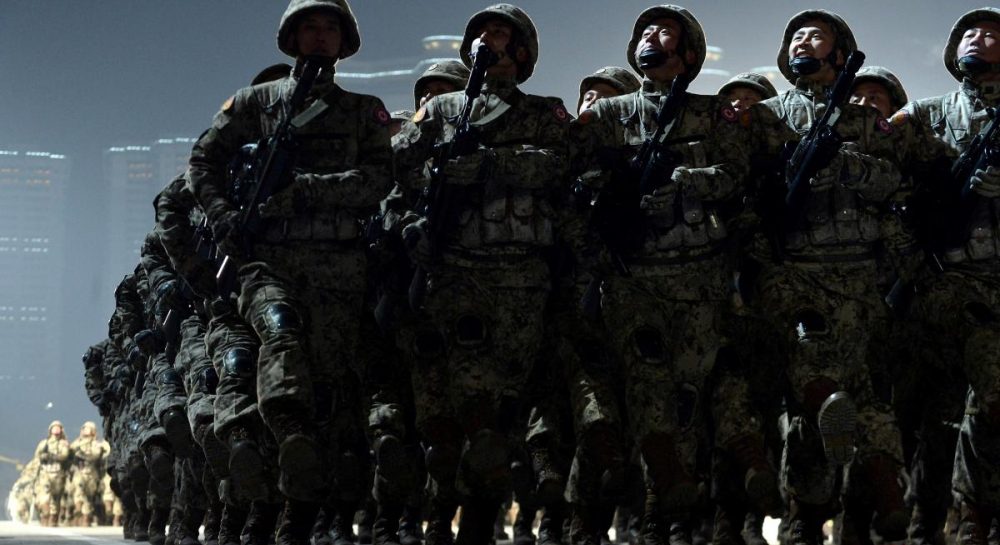 🇺🇦Ukraine
Photo: UNIAN
Key points
- Increased coordination between Russia, China, Iran, and North Korea
- Over 600 security-related cooperation cases since 2019
- Lack of a formal military bloc despite effective mutual support
A New Reality in International Relations
Authoritarian states, including Russia, China, Iran, and North Korea, are moving toward closer cooperation, which is no longer just a rhetorical device but a tangible factor in world politics. According to the FDD think tank, more than 600 instances of security-related interaction between these countries have been recorded over the past six years, with the intensity of contacts increasing significantly since the start of Russia's full-scale invasion of Ukraine.
Features of the Informal Alliance
Despite the lack of a unified structure like NATO or mutual defense obligations, these countries are actively exchanging military technologies, intelligence, and combat experience. They are also developing joint mechanisms to minimize the impact of Western sanctions. However, experts point to internal contradictions: for instance, China's interest in stability in the Middle East does not always align with Russia's desire to fuel conflicts to drive up energy prices.
The situation is further complicated by political shifts in the West, where new administrations, particularly in the US, are reassessing their approaches to international engagement and leader-to-leader diplomacy. The absence of a unified strategy to contain this informal bloc forces the international community to seek new ways to adapt to an environment where geopolitical rivalry is becoming increasingly fragmented and dangerous.
Source UNIAN — unian.ua/world/rosiya-knr-iran-ta-pivnichna-koreya-stvorili-neforma… ↗
Read next
 🛡️Security
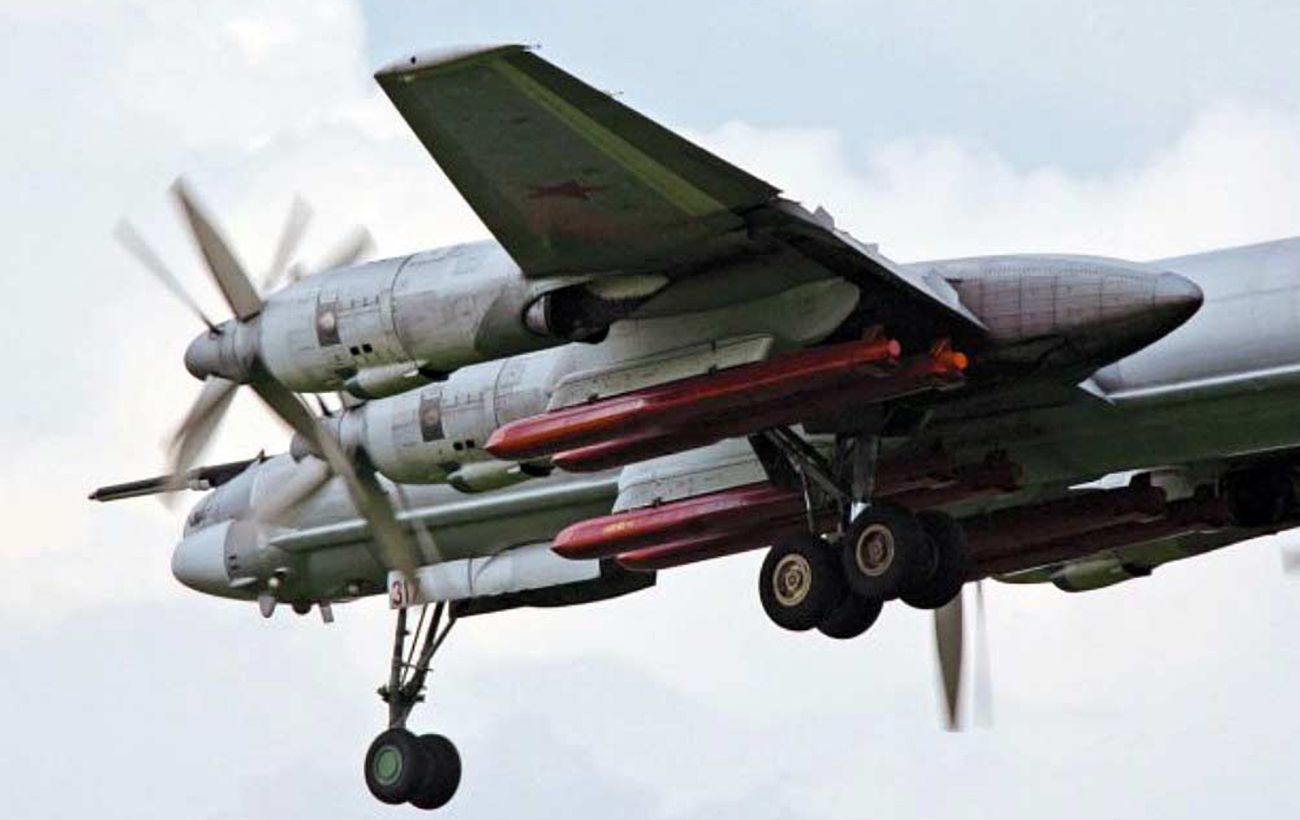
Fragments of latest Russian Kh-101 missiles found in Poland
Remnants of Russian cruise missiles produced in late 2026 have been discovered in eastern Poland, prompting a NATO response regarding the security of the eastern flank.
 🛡️Security
Charity auction in Lviv region raises UAH 60 million for Ukrainian defenders
A major charity auction in the Lviv region has raised UAH 60 million to support the Ukrainian Armed Forces and provide rehabilitation for a wounded soldier.
 👥Society
Russian Missiles Violate Polish Airspace: Incident Details
Russian missiles and a drone breached Polish territory during a massive strike on Ukraine, causing deep concern in Warsaw.
 💡Tech
Nighttime UAV Attack: New Challenges for Air Defense and the Use of Jet Technologies
On the night of November 23, the enemy launched a massive strike using unmanned aerial vehicles, specifically utilizing jet-powered drones.
 🏙️City
How to prepare your home for winter: Scandinavian method to stop drafts
Residents of Shepetivka can significantly reduce heat loss in their homes by using a simple household hack involving plastic wrap.
 🛡️Security
Poland investigates incident involving Russian Kh-101 missiles
Polish investigators have confirmed that three Russian cruise missiles, manufactured in late 2026, violated the country's airspace.