How Much Water to Drink for Healthy Blood Pressure: Cardiologists Explain
Renowned cardiologists have shared optimal daily water intake recommendations for men and women to maintain healthy blood pressure and avoid dehydration risks.
 👥Society
Photo: UNIAN
Key points
- Women are advised to drink about 2.1 liters of water daily, and men about 3.1 liters.
- Dehydration reduces blood volume causing dizziness, or constricts blood vessels, raising pressure.
- Excessive fluid intake can be dangerous for individuals with heart failure or kidney issues.
- Proper hydration should be paired with lower sodium intake and regular physical activity.
Maintaining a proper fluid balance is essential for the cardiovascular system to function correctly. Recent insights from medical experts shed light on how drinking adequate amounts of water directly impacts a person's blood pressure, according to Health magazine citing leading cardiologists.
Daily Guidelines and Vascular Response
According to the experts, daily water recommendations differ slightly by gender. Women are advised to consume about 9 cups (roughly 2.1 liters) of water daily, while men typically need around 13 cups (about 3.1 liters). However, physicians emphasize that individual hydration needs may vary depending on lifestyle and overall health conditions.
Dehydration can affect blood pressure in unexpected ways—both lowering and raising it. When the body lacks sufficient fluids, the total volume of circulating blood decreases, leading to lower pressure on blood vessel walls. Vascular surgeon Dr. William Schutze notes that this drop in blood volume often triggers dizziness, especially when standing up quickly.
Compensatory Mechanisms and Warnings
Conversely, the body attempts to compensate for fluid shortages by releasing vasopressin, a hormone that prompts kidneys to retain water and constricts blood vessels, thereby raising blood pressure. At the same time, overhydration can also pose risks by suddenly increasing blood volume, which can be dangerous for older adults and those with heart or kidney conditions.
«When the body gets enough fluid, it can maintain a stable blood volume, and blood pressure remains within the normal range», — explains cardiologist Dr. Tisa Saha.
Medical professionals remind the public that staying properly hydrated is just one component of overall wellness. Experts stress that other lifestyle factors, such as reducing sodium intake, increasing physical activity, maintaining a healthy weight, and taking prescribed medications, play a far greater role in managing blood pressure effectively.
Source UNIAN — unian.ua/health/shcho-bude-yakshcho-piti-duzhe-malo-vodi-kardiologi… ↗
Read next
 💼Economy
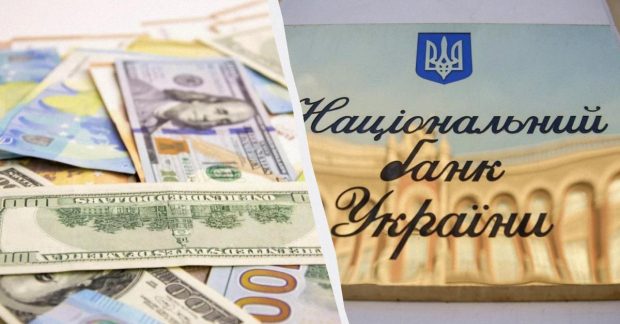
NBU Raises Official Exchange Rate: New Prices for US Dollar and Euro
The National Bank of Ukraine has set new official exchange rates for November 24, recording an increase in the value of the US dollar and the euro.
 💼Economy
National Bank Weakens Hryvnia: Official Exchange Rates for November 24
The National Bank of Ukraine has set the official exchange rates for November 24, recording a weakening of the hryvnia against both the US dollar and the euro.
 🛡️Security
Massive Infrastructure Attacks Across Ukraine: What It Means for Shepetivka Community
Following coordinated strikes targeting railways and energy facilities across Ukraine, six people were killed and dozens injured. Critical civilian infrastructure suffere…
 🧠AI Analysis
Late November Weather: Shepetivka and Region Brace for Sharp Cold Snap and Night Frosts
A significant cold wave with snow and freezing temperatures is sweeping across Ukraine in late November. Forecasters predict nighttime frosts dropping to minus thirteen d…
 🛡️Security
New Nuclear Blackmail: Kremlin Threatens Preemptive Strike
Deputy Chairman of the Russian Security Council Dmitry Medvedev has issued fresh threats regarding the potential use of nuclear weapons against Ukraine and Western partne…
 🇺🇦Ukraine
European Commission favors multilateral format for negotiations with Russia
The European Commission has acknowledged receiving an invitation from Russia to Moscow but emphasized the necessity of involving allies in any future talks.