Archaeological discovery in Britain: unique Roman-era infant burial
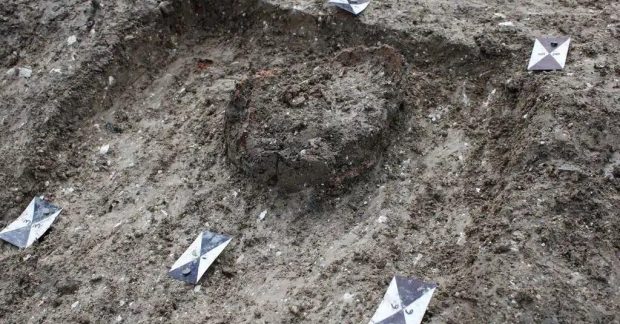
British archaeologists have discovered an atypical infant burial in a ceramic vessel, dating back to the 3rd–4th centuries AD.
 🎓Education
Photo: UNIAN
Key points
- Unique infant burial in ceramic discovered in Britain
- The find dates back to the 3rd–4th century AD
- Bird remains were found next to the infant
- Archaeologists suggest the influence of Mediterranean traditions
During preparatory work for a cricket pitch in Wendover, Buckinghamshire, researchers from Cotswold Archaeology uncovered a rare artifact. A buried, inverted ceramic vessel was found containing the remains of a nine-month-old infant. Alongside the pot, archaeologists discovered the remains of an adult chicken and a small songbird.
Roman burial customs
Infant burials in ceramic vessels were common in the Mediterranean, but this is a unique occurrence for Roman Britain. Experts suggest that the use of pottery may have symbolized the maternal womb. Because the bottom of the vessel had been cut off and it was placed upside down, the infant's skeleton was only partially preserved.
Radiocarbon dating confirmed that the burial dates to between the 3rd and 4th centuries AD. In addition to this infant, eight other burials were found at the site, indicating the presence of a small agricultural settlement with well-developed trade links, as evidenced by imported pottery from Gaul and Spain.
Source UNIAN — unian.ua/science/arheologi-znayshli-pohovannya-rimskogo-nemovlyati-… ↗
Read next
 🎭Culture & Sport
Caring for Roses in Autumn: Pruning and Winter Preparation Tips
Experts explain why it is better to wait for stable frosts before performing radical pruning on roses.
 🛡️Security
Rescue operation in Dymer: elderly woman pulled from rubble as death toll rises
Search and rescue operations continue in the village of Dymer, Kyiv region, after a drone strike on a residential building. Rescuers found a survivor, but the death toll …
 🛡️Security
Russian corvette 'Merkury' in Libya: possible Ukrainian drone strike
International media report an explosion and fire on board a Russian naval vessel in the port of Benghazi.
 🛡️Security
Russia tests NATO defense algorithms through airspace violations of neighbors
Military experts view the incursions of Russian munitions into Alliance territory as a deliberate strategy to probe security systems.
 💡Tech
Scientists revive ancient bacteria from permafrost: climate change risks
Researchers from the University of Colorado successfully revived microorganisms that had been frozen for 40,000 years.
 💼Economy
Unique Harvest: 350-Kilogram Pumpkin Grown in Cherkasy Region
A resident of the Cherkasy region, Oleksiy Buryachenko, has grown a giant pumpkin on his plot, which has become the largest in Ukraine, although the record remains offici…